Hawthorn Berry: The Honest Picture On A Traditional Heart Tonic
Hawthorn berry has been used in European herbal medicine for centuries as a heart tonic, and it shows up in a lot of cardiovascular supplement formulas today.
But the clinical research picture is genuinely more mixed than for ingredients like hibiscus or garlic, and it's worth understanding why before treating it as proven.
The traditional case for hawthorn
Hawthorn (Crataegus species) has one of the longest continuous traditions of use for heart conditions in Western herbal medicine, dating back centuries in European practice. It's traditionally used to support blood flow to the heart muscle itself, not just peripheral blood vessels.
What smaller trials have suggested
Some smaller clinical trials have found hawthorn extract associated with mild vasodilatory effects and modest support for exercise tolerance in people with early-stage heart conditions, lending some support to the traditional use case.
Where the picture gets more mixed
A larger, more rigorous systematic review focused specifically on hawthorn for chronic heart failure as a clinical outcome found the evidence inconsistent and insufficient to draw firm conclusions about meaningful clinical benefit at that level. This is a notably higher bar than ‘supports blood flow’ — it's asking whether hawthorn measurably changes hard outcomes in a diagnosed condition, and the answer from that review was not a clear yes.
Why this distinction matters
There's a real difference between ‘traditionally used for centuries’ and ‘proven in rigorous modern trials for a specific outcome.’ Both can be true simultaneously without contradiction — hawthorn's traditional use case is real and its milder supportive research is suggestive, but the highest-quality evidence for the biggest clinical claims (specifically heart failure outcomes) isn't there yet.
What this means for a combination formula
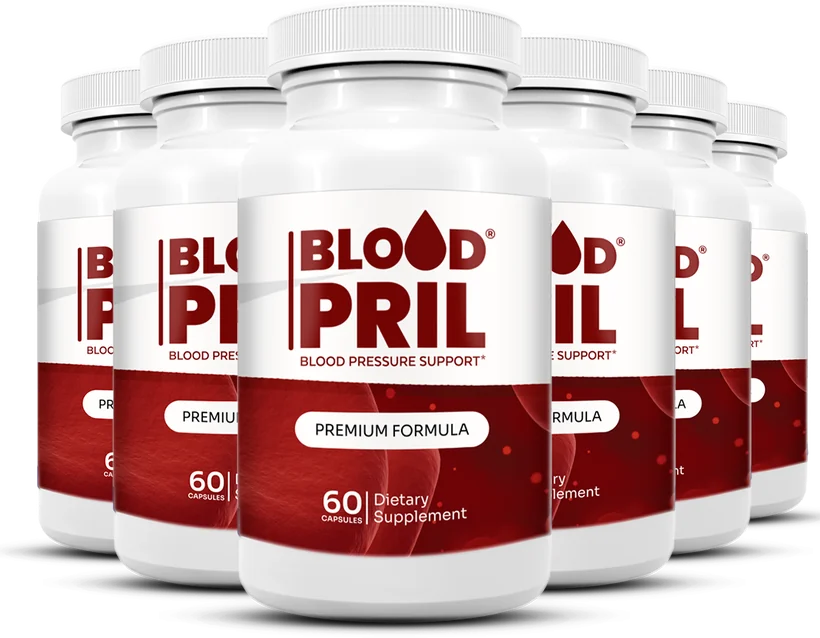
In a multi-ingredient formula like BloodPril, hawthorn sits alongside ingredients with stronger individual evidence (hibiscus, garlic, magnesium). Its inclusion reflects genuine traditional use and some supportive smaller trials, even though it wouldn't be the ingredient we'd point to as the strongest evidence in the formula on its own.